Radiesse® | Biostimulation & Collagen Production
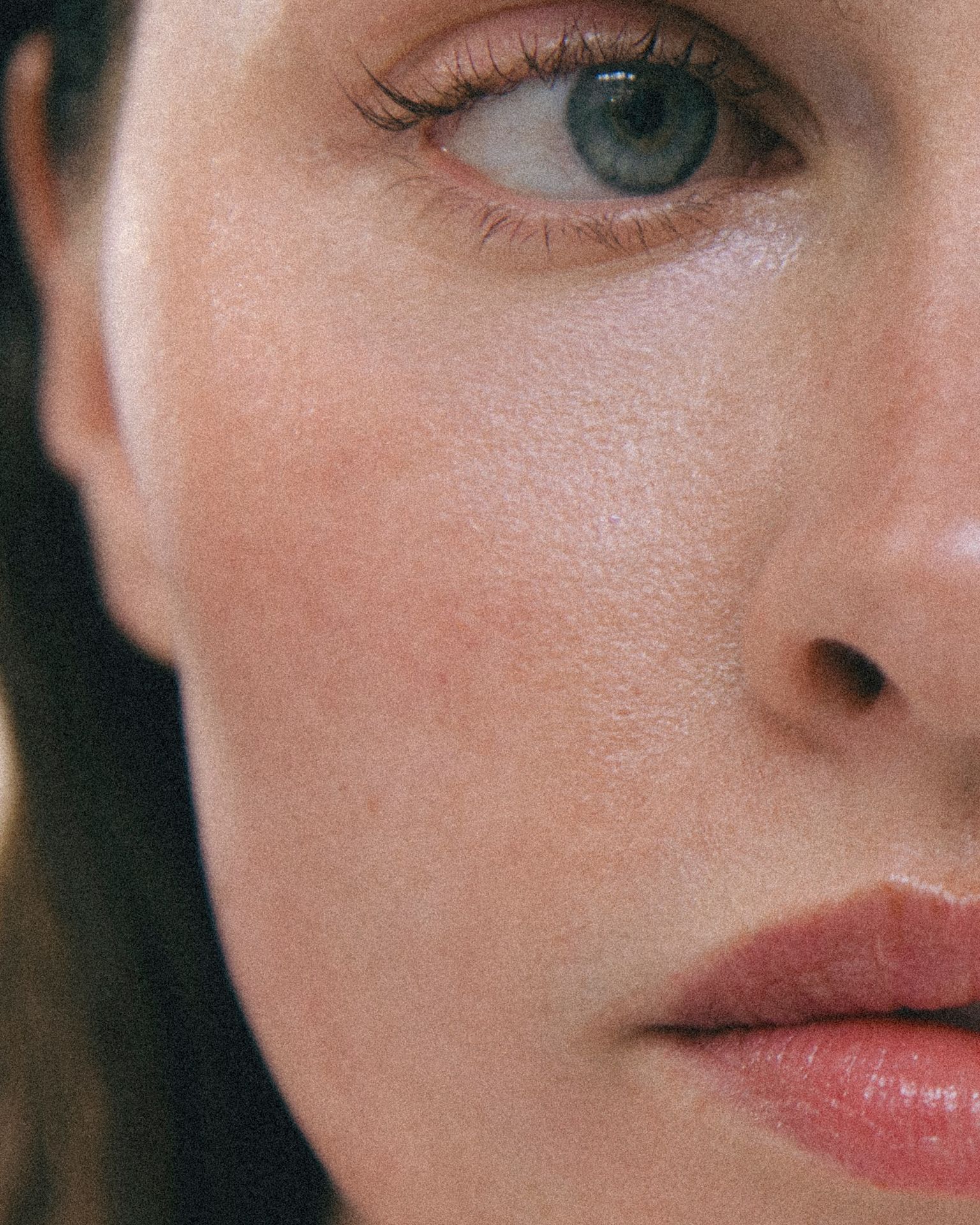
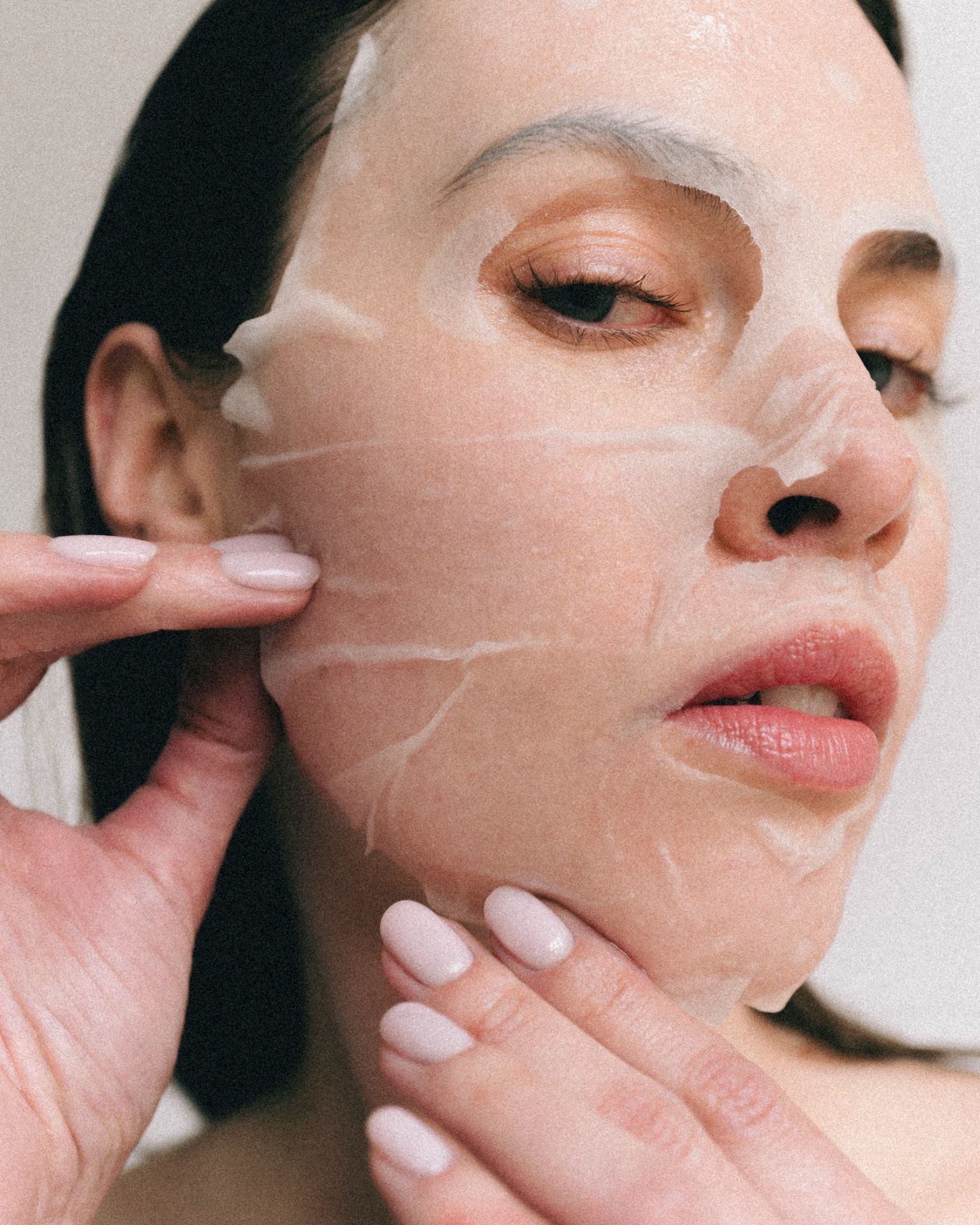
Firmer skin. More defined contours. A naturally fresher look. As we age, our skin loses firmness and elasticity. Radiesse® can stimulate the body’s own collagen production, improve skin quality, and, depending on the application, achieve a gentle lifting effect. At the same time, it can provide support to specific areas of the face and define contours. For a firmer, more youthful-looking complexion without altering your natural radiance.
ABOUT THE TREATMENT
What is Radiesse, and how does it create a lifting effect? Radiesse® is a biostimulator based on calcium hydroxylapatite, or CaHA for short. The fine CaHA particles stimulate the production of collagen and elastin. Depending on the application, the tissue is immediately supported, while skin firmness continues to improve over the following weeks.
Possible treatment areas include the jawline, chin, cheeks, temples, and selected nasolabial folds or marionette lines. On the back of the hands and the décolleté, the focus is on achieving a smoother skin surface and greater firmness. The dilution and placement of the product depend on whether the goal is to enhance contours or treat larger areas of skin.
BENEFITS OF THE TREATMENT
- Targeted support for the jawline can make the jawline stand out more clearly and restore definition to the lower face.
- Lost tissue support in the cheeks and chin can be restored, for example, after significant weight loss. Sunken temples can also be corrected, resulting in more harmonious facial contours.
- The stimulation of collagen production can improve sagging skin and promote a lifting effect that develops over the following weeks.
- On the backs of the hands, Radiesse can restore lost volume and smooth out wrinkled-looking skin. This can make tendons and veins less noticeable and give the hands a fresher appearance.
- Fine lines and loss of skin firmness on the décolleté can be treated. The skin can appear smoother, more supple, and more even.
- When used in a diluted form, the focus is on improving skin quality over a broad area. This allows even larger areas to be treated without having to define individual contours everywhere.
Radiesse for Ozempic Face and Volume Loss After Weight Loss
When the cheeks become sunken and facial contours lose their firmness following significant weight loss, the face can appear more tired. In the context of weight loss achieved with GLP-1 medications, the term “Ozempic Face” has become well-known. Similar changes can also occur without medication.
When the initial condition is suitable, Radiesse® can restore lost tissue support and improve skin firmness by stimulating collagen production. The goal is to restore clearer contours and more balanced transitions. We distinguish between areas where volume is lacking and those where skin laxity is the primary issue, so that volume restoration and biostimulation can be appropriately combined.
Radiesse for the Jawline in Berlin
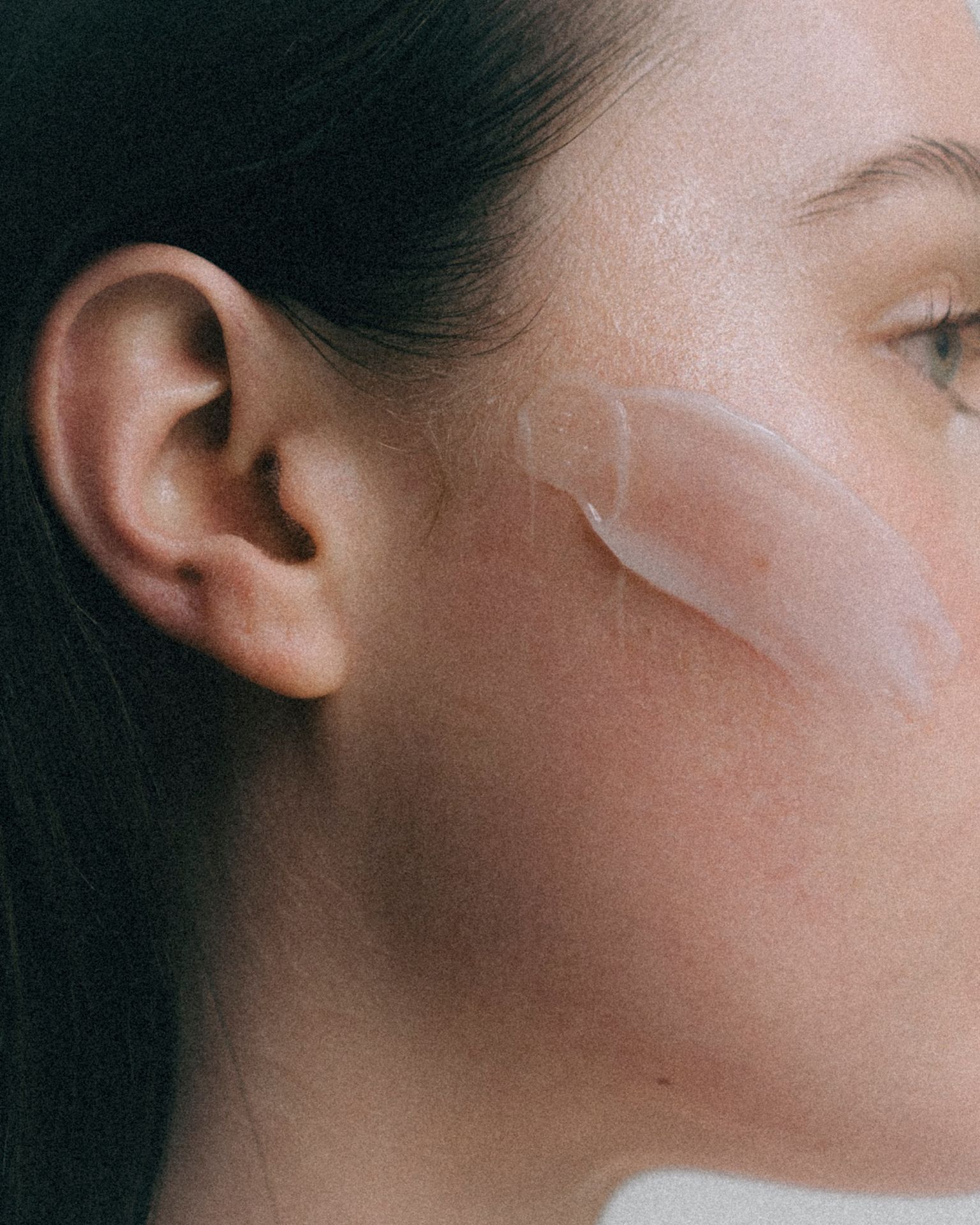
A less defined jawline can result from a shift in volume, a lack of tissue support, or sagging skin. These changes may look similar, but they require different approaches. A thorough examination will determine whether targeted placement along the jawline is appropriate or if another procedure is more suitable.
Hyperdiluted Radiesse: Biostimulation with Less Volume
When Radiesse is diluted or hyper-diluted, the same formulation is distributed over a larger area. This is particularly useful for improving skin firmness in larger areas, such as the décolletage. On the hands, adding volume may also be beneficial. Skin thickness, tissue texture, and the treatment goal determine the appropriate application.
When can the results of Radiesse be evaluated?
Initial changes in contour may be visible immediately. We assess improvements in skin firmness and collagen production after about ten to twelve weeks; tissue remodeling may continue thereafter. In some cases, a follow-up session after eight to twelve weeks is recommended to specifically continue the remodeling process.
Twelve to eighteen months are often used as a general guideline. On the face, results can last up to twenty-four months, depending on the treatment and the individual’s response. A supplemental session during the recovery phase should be distinguished from a later touch-up session intended to maintain the results.