PRP | Vampire Lift
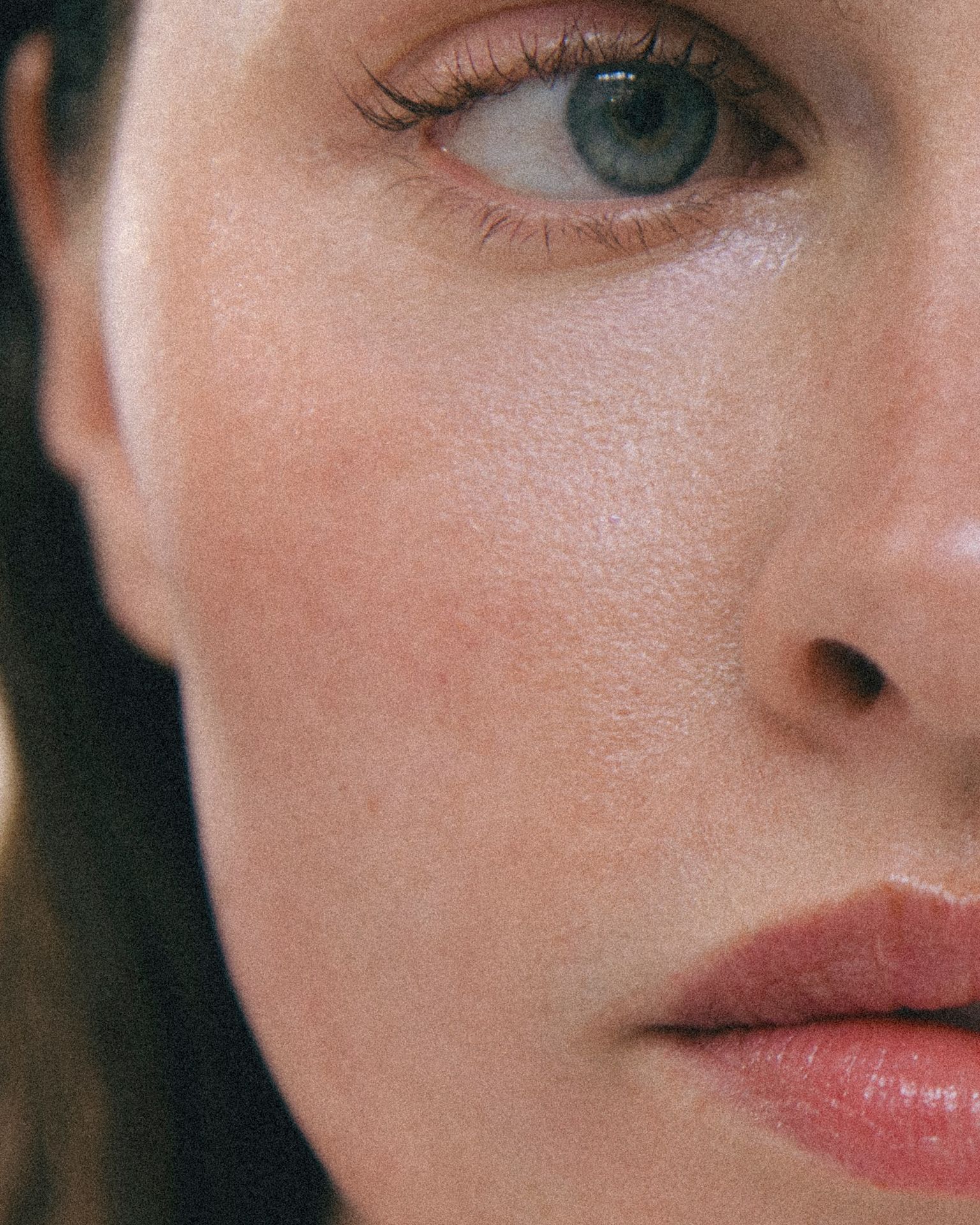
PRP is an autologous blood treatment designed to promote fresher-looking skin, improve the eye area, and strengthen hair. It uses processed plasma from your own blood, which can support the body’s natural regenerative processes. On the face, it can treat fine lines and uneven skin texture; under the eyes, it can reduce dark circles and fine wrinkles caused by skin conditions. On the scalp, PRP can support existing hair follicles in certain forms of hair loss. It can also complement post-operative care following a hair transplant.
ABOUT THE TREATMENT
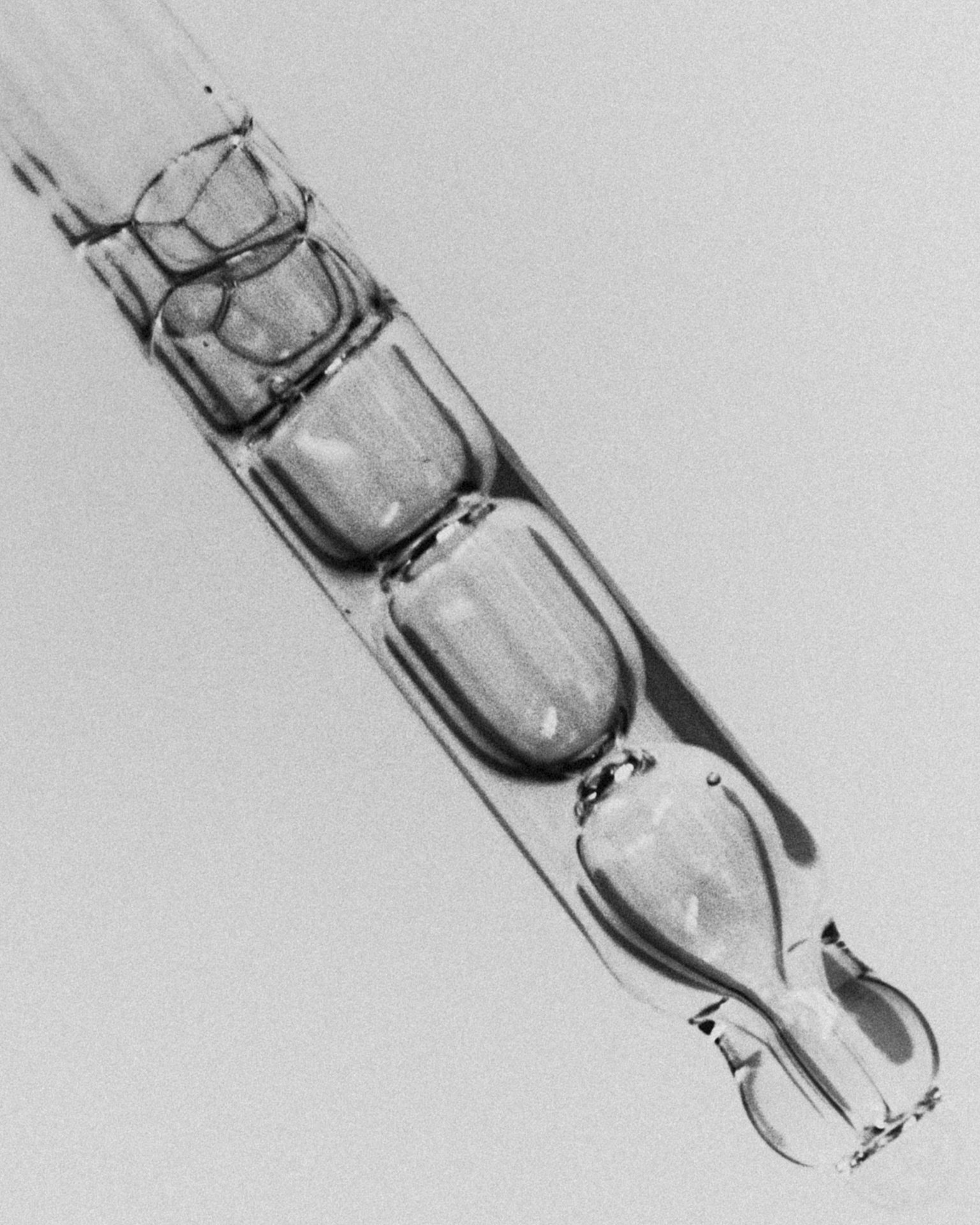
What is PRP, and how does this autologous blood treatment work? PRP stands for platelet-rich plasma. The platelets it contains release growth factors that play a role in the body’s natural repair processes. The plasma extracted from your blood is injected into specific areas or combined with microneedling. When applied to the face, the treatment is also known as a “vampire lift” or “vampire facial.”
When selecting a treatment, we consider your skin type and, for hair treatments, the condition of your scalp and hair follicles. This determines the type of treatment, the areas to be treated, and the appropriate product line.
BENEFITS OF THE TREATMENT
- PRP can support regenerative processes and reduce the appearance of fine lines. As a result, the skin’s texture may appear more even and supple.
- Under the eyes, PRP can improve skin quality and reduce skin-related dark circles and fine lines. This can make the eye area look fresher and more rested.
- In cases of hereditary hair loss, PRP can support existing hair follicles. Identifying the cause early on helps in selecting an appropriate treatment plan.
- When combined with microneedling, an uneven skin texture, noticeable pores, or superficial acne scars can also be incorporated into the treatment plan.
- The PRP used is derived from your own blood. In a pure autologous blood treatment, no fillers or additional exogenous active ingredients are used to promote regeneration.
PRP Injection or PRP Microneedling?
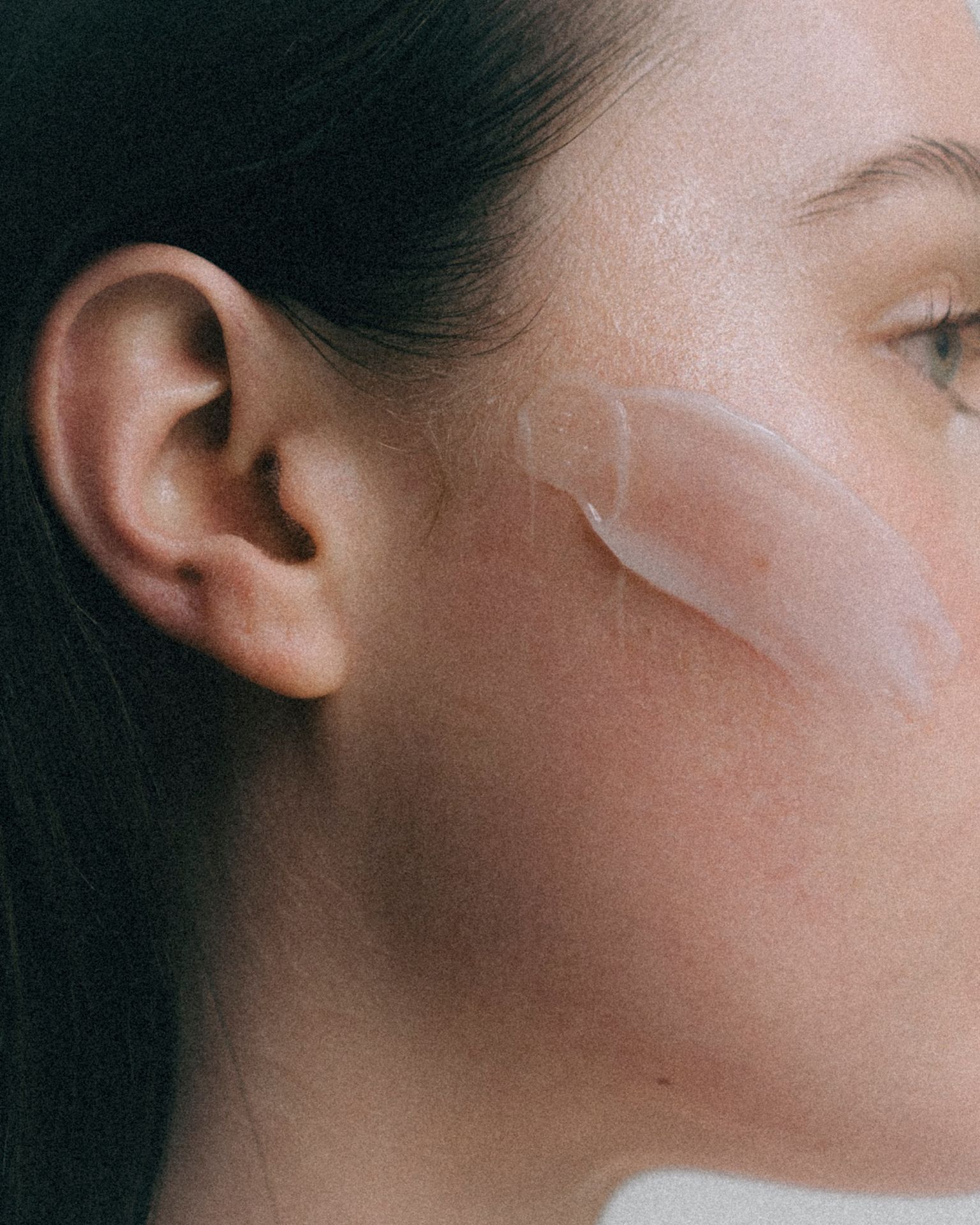
During the injection, the plasma is injected directly into selected areas, such as under the eyes or into the scalp. With PRP microneedling, it is applied to the treated skin. The fine needles create microchannels and also stimulate repair processes.
Microneedling may be a good option, especially for uneven skin texture or superficial acne scars. For hair treatment, PRP is injected.
PRP for Dark Circles Under the Eyes
Dark circles under the eyes can be caused by pigmentation, thin skin, or shadows resulting from anatomical factors. Therefore, autologous blood therapy is not suitable for every cause. During the examination, we determine the extent to which skin quality contributes to the appearance of the dark circles.
PRP Hair Treatment for Hair Loss
In cases of hereditary hair loss, treatment focuses on the remaining hair follicles. The cause and progression of hair loss determine whether PRP can be recommended and what other measures may also be beneficial.
Since hair loss can continue to progress, long-term care is often necessary. A single session is no substitute for a customized treatment plan.
PRP After a Hair Transplant
After a hair transplant, PRP can be scheduled as a complementary treatment to support the scalp’s regeneration processes and hair growth. The start date and frequency of treatments depend on the healing process and are coordinated with the transplant team. This allows the treatment to be integrated into the existing aftercare plan.
How many PRP sessions are recommended?
For the face, three sessions spaced about four weeks apart are often scheduled initially. For the eye area, two to three sessions spaced several weeks apart may be appropriate.
For the scalp, treatment often begins with three monthly sessions. Depending on the findings and the patient’s response, the course of treatment can be extended to up to six sessions. Follow-up sessions are often discussed after three to six months. The actual intervals depend on the patient’s progress.
Tolerability of Autologous Blood Therapy
Your own blood is processed under hygienic conditions. Even autologous blood therapy can cause temporary redness, swelling, or bruising. Medications, blood test results, and health conditions will be discussed in advance to assess your suitability for the procedure.