Nasolabial Folds
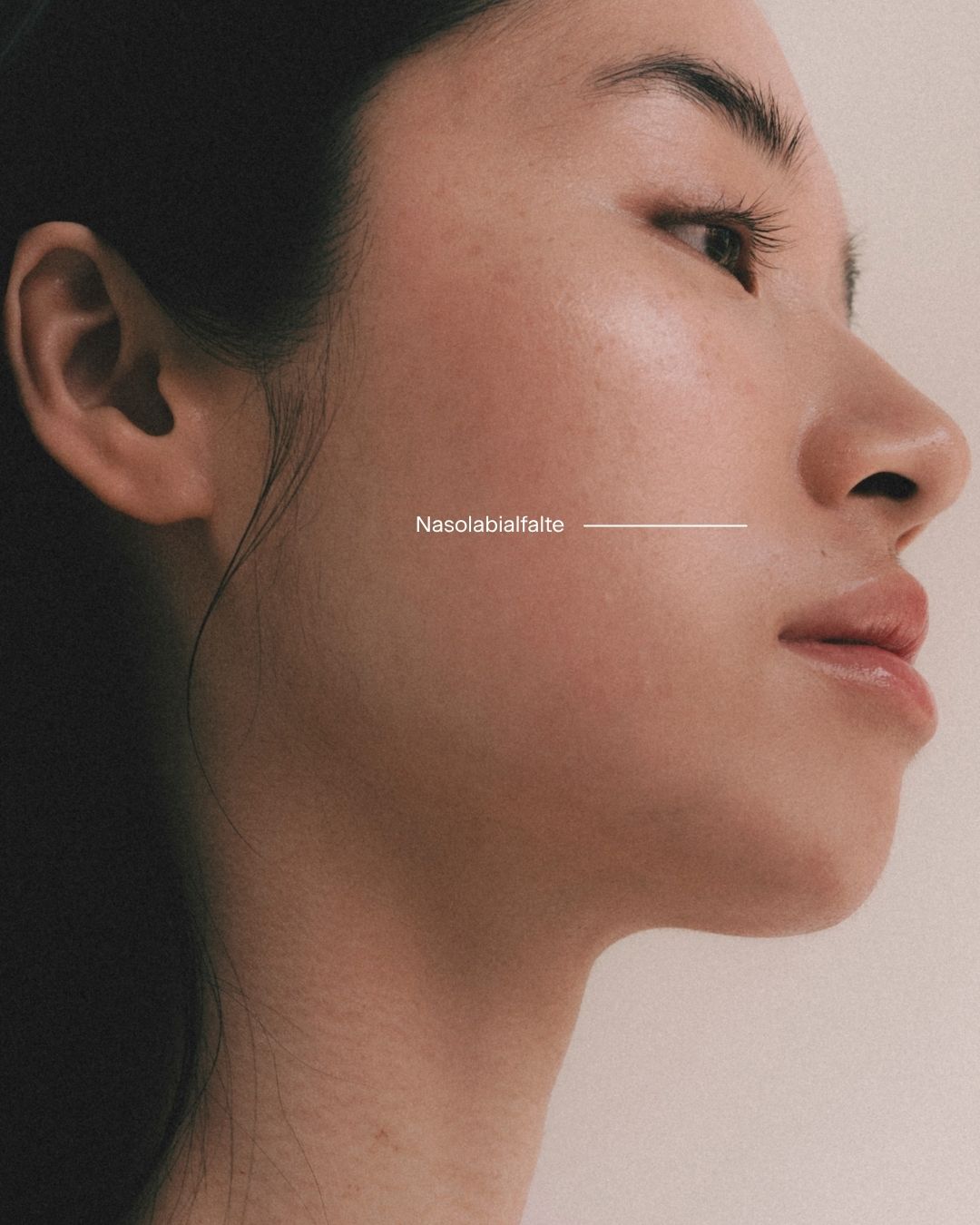
Hyaluronic acid can soften deep nasolabial folds between the nose and the corners of the mouth, giving the face a fresher appearance. Even after significant weight loss, targeted volume restoration can reduce the appearance of wrinkles. Your natural facial expressions remain an integral part of the result. Because the cheeks also influence the appearance of these folds, the entire midface is included in the treatment plan.
ABOUT THE TREATMENT
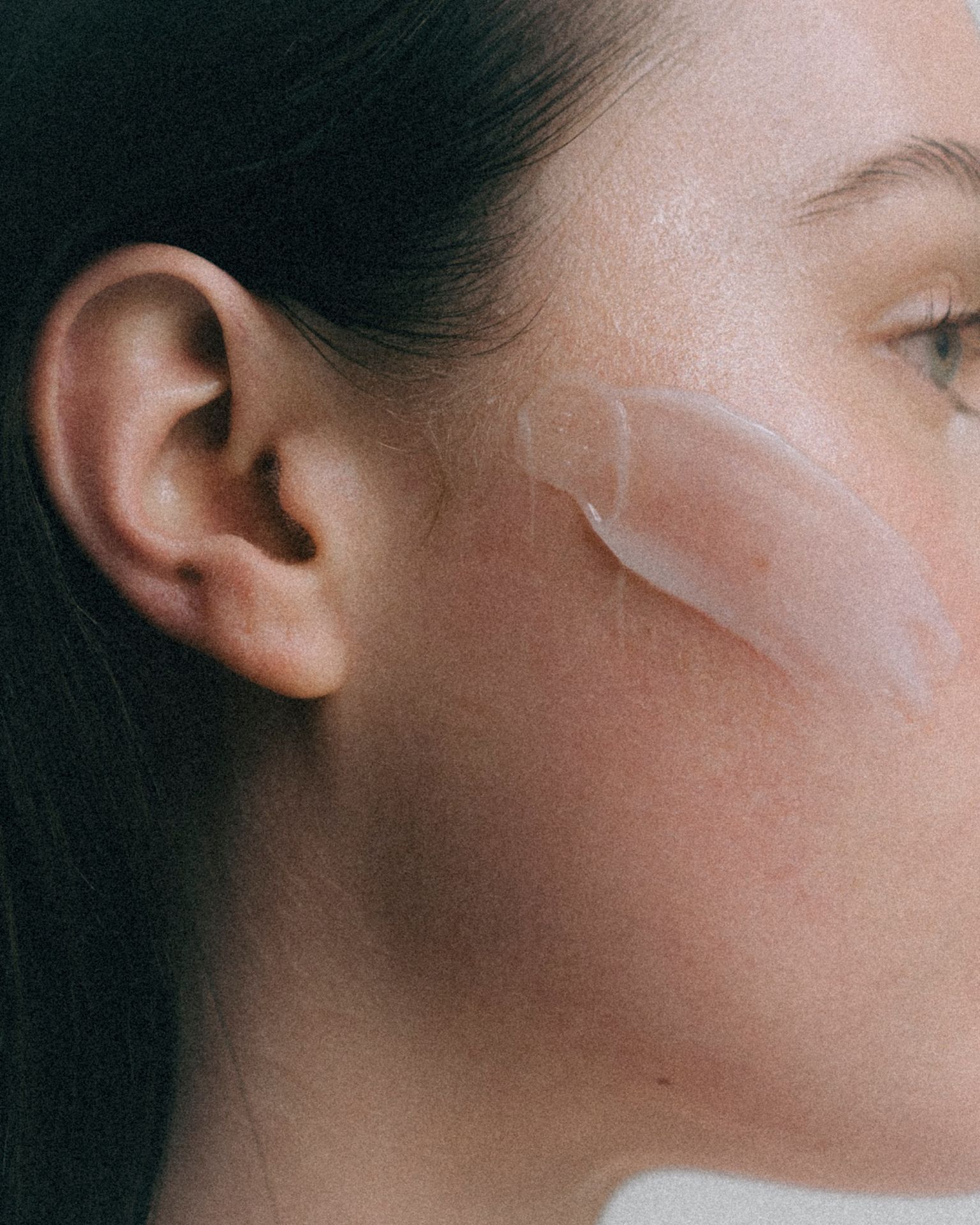
How does hyaluronic acid work on nasolabial folds? The injectable gel restores volume to the tissue and can smooth out the transition along the fold. The right product depends on the depth of the folds, skin type, and the level of support needed.
Nasolabial folds are a natural part of facial anatomy and become more noticeable when you smile. As you age, volume loss in the cheek area and a loss of tissue firmness can make them more pronounced. We therefore assess whether direct dermal fillers, cheek augmentation, or a tailored combination of these treatments is appropriate.
BENEFITS OF THE TREATMENT
- Deep nasolabial folds can be smoothed out so that they are less noticeable on the face.
- Pronounced shadows between the nose and mouth can be softened, making the face look more refreshed.
- The transition from the cheeks to the mouth area can be made more harmonious through targeted tissue support.
Nasolabial Folds After Weight Loss and With Ozempic Face
After significant weight loss, the cheeks may lose volume and nasolabial folds may become more pronounced. In the context of medication-assisted weight loss, this change is also known as the “Ozempic Face.” The fold is therefore assessed in conjunction with the midface.
Targeted cheek augmentation with hyaluronic acid can already help compensate for some of the lost support. Afterward, it’s possible to assess whether additional volume is needed along the nasolabial fold. This allows for coordinated treatment of the cheeks and the hollow between the nose and mouth.
Wrinkle depth, facial expressions, and an appropriate scope of treatment
Skin texture, natural facial contours, and movement all influence the outcome. The goal is to achieve a smoother transition, not to completely eliminate every anatomical line. In cases of significantly reduced skin firmness, we assess whether a different or complementary treatment might be more appropriate than using increasingly larger amounts of filler.